Pain care attracts a straight line between scientific research and humanity. Medical professionals bring that duty every change, frequently under time stress and with incomplete info. A well designed provide discomfort management course does greater than educate medicine charts and pain scales. It develops judgment, installs safety habits, and offers medical professionals the language to advocate for patients while protecting themselves and their groups with rigorous documentation and moral practice.

I have actually shown and rejuvenated pain management training throughout emergency situation divisions, recovery wards, and neighborhood setups. The styles listed below come from genuine situations, debriefs after near misses, and lessons constructed right into criteria such as PUAEME008 Give Pain Monitoring in Australian prehospital contexts. Whether you are shaping pain monitoring courses for nurses, physio therapists, or mixed multidisciplinary accomplices, the exact same pillars persist: analysis, safe distribution, attentive surveillance, clear paperwork, and moral decision making.
What learners require from a modern pain management course
When clinicians enroll in brief training courses hurting administration, they typically anticipate a formula: a dose table for ketorolac, a titration system for fentanyl, a refresher course on multimodal treatment. They do require those, but they also require to exercise the difficult parts that no flowchart will certainly deal with. Exactly how to manage a client with serious discomfort and a background of opioid use condition without stigma. When to stop escalating analgesia since the differential has actually transformed. Exactly how to document rise and shared choices so the next clinician can action in securely. Every solid pain monitoring qualification training course must increase these skills alongside pharmacology.
In emergency discomfort management particularly, very early choices resemble via a client's trip. One ignored warning or one undocumented unfavorable result can set the stage for injury several hours later. Programs that rehearse those inflection factors making use of instance vignettes and timed circumstances generate much better behaviors than lecture alone.
Safety as an ability, not a checklist
Safety in pain monitoring starts with recognizing that analgesia is healing and analysis. A dose of IV morphine that falls short to damage pain in a presumed renal colic case might shift you toward a vascular or surgical cause. Conversely, brisk alleviation after a sublingual GTN spray in breast discomfort can misdirect if you have actually not considered esophageal convulsion. Pain alleviation need to ride along with a functioning diagnosis, not change it.
I educate safety and security along 3 tracks. Initially, pharmacologic safety: appropriate individual, ideal medicine, appropriate dosage, best course, right time. Second, physiologic security: prepare for respiratory system anxiety, hypotension, and transformed psychological status, and have a strategy ready, not just tools at the bedside. Third, system security: handover that carries the thread of what you tried, what happened, and what you stressed about.
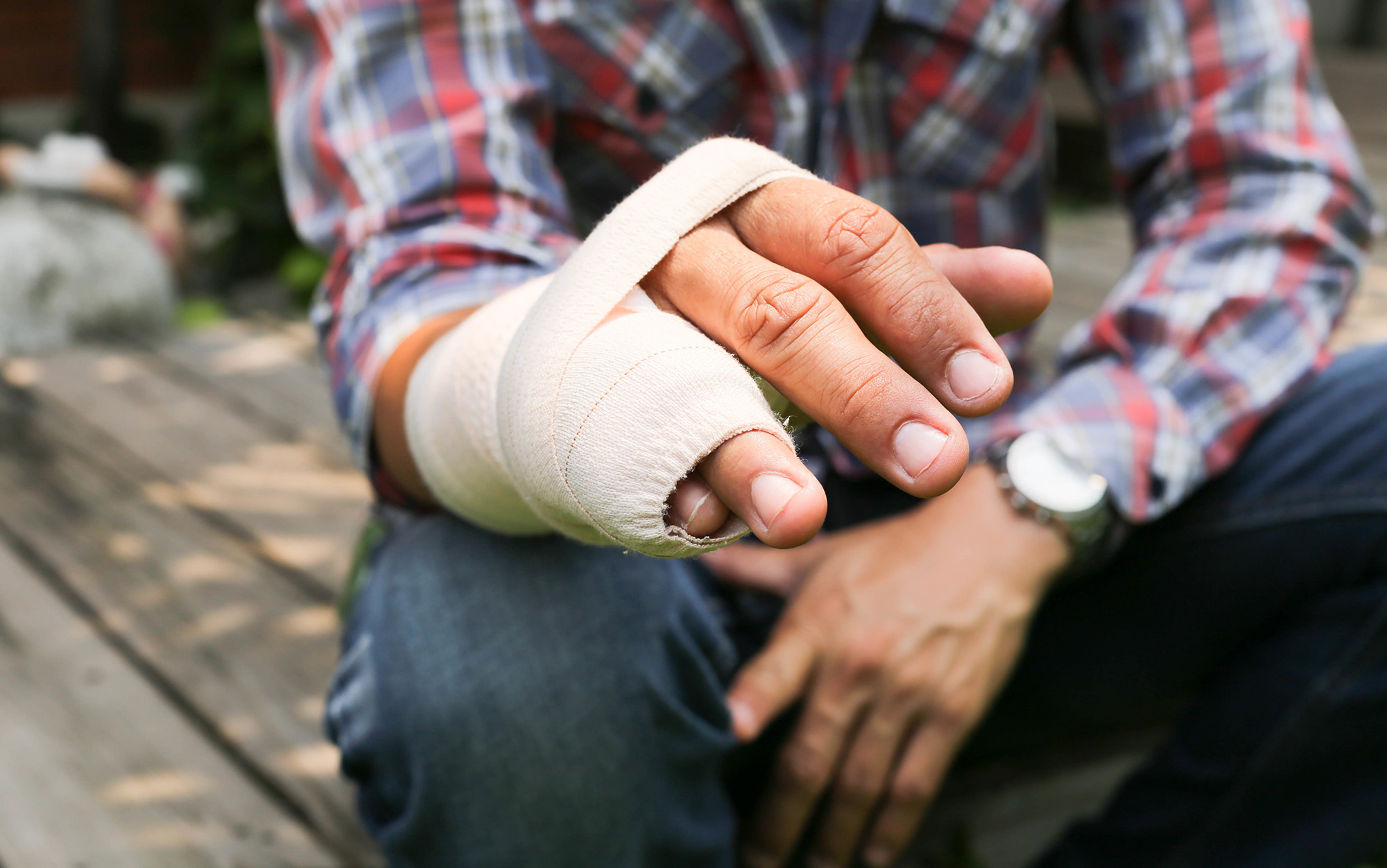
Consider the frail older grown-up with a hip crack and standard eGFR in the 30s. A conventional NSAID plan can intensify renal function. A single 5 mg oxycodone tablet computer might tip her right into ecstasy. Good discomfort management training for registered nurses and younger doctors simulates this trade off. You can still provide effective analgesia, however you might lean on regional techniques, acetaminophen at arranged periods, and mindful opioid titration with frequent review. The program ought to additionally teach when to ask for help, for example, calling anesthetics for a fascia iliaca block rather than going after greater systemic doses.
The professional analysis that protects against errors
Before any individual grabs a syringe, they require a crisp, reproducible assessment. The lines between neuropathic, nociceptive, and natural pain matter because they anticipate what works. A patient describing electric shocks with allodynia along a dermatomal distribution will certainly not react well to rising pure mu agonists alone. Gabapentinoids, topical anesthetics, or a nerve block may offer alleviation with fewer risks.
A great give discomfort monitoring course builds muscle memory around history and test under various problems. In the rescue bay with noise and a time crunch, you could get a three question discomfort background and a quick display for red flags, then reassess after the first treatment. On a ward round, you have the chance to section discomfort right into rest versus movement components and dressmaker treatment to mobilization goals. Programs straightened to PUAEME008 supply pain management frequently consist of short drills with standardized people: take a 60 2nd pain history, state your functioning medical diagnosis out loud, call your first line therapy, and recognize 2 safety and security concerns.
For physio therapists, the evaluation broadens to work. If you gauge the price of pain in regards to lowered gait rate or lack of ability to execute a rest to stand without breath holding, you can target analgesia to treatment home windows. Pain administration courses for physiotherapists should include exactly how to bargain limited pre treatment opioid dosing, the duty of regional techniques like 10s or warmth in multimodal strategies, and how to record response in functional terms that assist clinical colleagues.
Choosing analgesia well: multimodal by default
Multimodal analgesia is not a fad, it is a protective concept. No solitary agent has to carry the entire worry, which decreases the dosage and side effects of each element. Even in emergency situation setups, time permits basic mixes: acetaminophen within its daily limit, an NSAID if kidney and bleeding risk permit, a small titrated dose of an opioid for serious pain, plus non pharmacologic steps like elevation or immobilization. In sickle cell pain, patient regulated analgesia and hydration protocols outperform occasional boluses and create less confrontations.
A recurring issue in technique is jumping to high opioid dosages when a local or local technique would certainly do even more with less risk. A lower arm fracture splints much better after a hematoma block. Rib cracks may respond to a serratus former aircraft block, improving ventilation and decreasing systemic opioid demand. Pain management training programs must educate clinicians to believe regionally and know their restrictions, then to involve sharp pain or anesthesia coworkers when a block will certainly transform the course.
For registered nurses who take most calls after hours, knowing short, defensible procedures helps. A pain monitoring certificate program can offer simple choice tools: if discomfort at rest lingers over a specified threshold after 2 hours of scheduled non opioid therapy and the patient has no red flags for instability, you might carry out a small rescue dose per standing order, then reassess and alert. These frameworks protect against both undertreatment and disorganized escalation.

Monitoring with purpose, not perfunctory tick boxes
Monitoring is where security usually breaks. We inspect sedation scores and breathing rates, after that stop working to act upon trends. A training course that rehearses pattern recognition modifications that. If the patient's respiratory rate is drifting from 18 to 12 over 15 minutes while snoring starts, you stop and reassess. Decrease or hold the following dosage. Sit the client up, use supplemental oxygen meticulously if needed, take into consideration naloxone if hypoventilation advances, and record the chain of occasions and your rationale.
Equipment readiness belongs to monitoring. I have actually seen greater than one ward maintain naloxone locked in a remote cabinet. That is not a policy issue when a client is de saturating. Discomfort monitoring training for nurses must consist of a timed drill: situate oxygen, suction, bag shutoff mask, and turnaround representatives, after that exercise calling for assistance clearly with SBAR. For prehospital clinicians working to PUAEME008 provide pain management requirements, the exact same technique applies inside a moving vehicle where room is limited and backup is minutes away.
Documentation as medical care
Good notes are not clerical tasks, they are the memory of the group. When analgesia choices fail, the lack of clear documents is generally part of the story. On the other hand, exact, prompt notes typically avoid duplication, overdose, and blame.
What needs to be documented is not mysterious. The preliminary discomfort analysis including range selection and useful influence, the functioning diagnosis, the precise representative, dose, course, and time, the patient's verbal permission or, if implied, the context, and any unfavorable results observed. Click for info Within 30 to 60 mins, record reaction with a number and a narrative: "Pain from 8 to 4 at remainder, still 7 on motion. Light nausea, no throwing up. Taking a breath rate 16, preserving discussion." If you differed a method, create why. If the patient declined an alternative, create that with their stated factors. These information protect both client and clinician.
For teams, shared language issues. Settle on the pain scales you use, the sedation range for opioid tracking, and the thresholds that motivate action. Discomfort administration training courses must consist of micro workouts where learners rewrite unclear notes into exact access. It is exceptional just how frequently "patient cleared up" conceals meaningful deterioration.
Ethics at the bedside: task, self-respect, and fairness
Ethical discomfort treatment lives in gray zones. Clients request more medication when you bother with adverse effects. Households ask you to hold back when the individual demands alleviation. A regular flyer shows up with a history of lost manuscripts, in pain from an acute crack. You suspect medication seeking and still owe take care of an actual injury.
A strong discomfort management qualification balances beneficence and nonmaleficence with justice. Right here are the principles I emphasize:
- Respect for the patient's account. Discomfort is subjective. You can validate injuries, search for inconsistencies, and still deal with reported discomfort dignifiedly. Area structure around therapy as opposed to moral judgment around the person. Proportionality. Some discomfort is serious and time limited. Others are chronic with flares. Short acting opioids have a location in acute extreme pain, however they are not a default for persistent non cancer cells discomfort. Show tapering, non opioid adjuvants, and sensible goal setting. Transparency and shared choices. Speak clearly about dangers. Welcome the client to weigh benefits and compromise with you. If you establish borders for security, claim why and document that conversation. Equity. Implicit predisposition hurts pain treatment. Research studies have actually revealed undertreatment amongst people of color, women, and non English speakers. A program should challenge students to audit their habits and correct them with organized tools. Stewardship. Prescribers hold public count on. Stay clear of providing high threat mixes like benzodiazepines and opioids without clear indicators and recorded monitoring. Refer to addiction medication early when appropriate.
These principles are not abstract. They shape exactly how you react when a patient requests one specific opioid by brand name, or when a colleague tells you not to "feed the habit." Honest clarity, supported by policy, lowers problem and sustains more secure care.
The certain demands of emergency discomfort management
Emergency setups make complex every variable. Triage should detect time vital diagnoses while easing suffering. A person with stomach discomfort may need analgesia before imaging, which evidence sustains, yet medical professionals still worry about concealing signs. Discomfort management training ought to permit and care with each other: supply analgesia, keep reassessing, and file changes in test findings.
There are patterns that are entitled to focus in emergency pain monitoring programs. In injury, stay clear of duplicated IM shots in unpredictable individuals and support IV titration or regional blocks when possible. In serious migraine, prevent opioids as very first line for key migraine headaches and concentrate on antidopaminergics, magnesium, and hydration. In kidney colic, NSAIDs usually outperform opioids for convulsion control, however watch kidney feature. In burns, early intranasal fentanyl or ketamine can change the whole resuscitation trajectory. Rehearsing these specifics brings the training course beyond generalities.
For paramedics straightened to frameworks comparable to PUAEME008, the restraints are various: minimal formularies, variable IV access, continuous activity. Intranasal courses, breathed in methoxyflurane where enabled, and oral agents have outsized duties. Security rests on mindful individual choice, clear contraindications, and durable handover to getting teams with times, doses, and actions recorded.
Building skills via scenarios and debriefs
The ideal give discomfort administration training course I ever before ran made use of a rotating rhythm: a quick targeted talk, a scenario that placed that mentor to work, then a debrief that pulled the knowing into practices. In one situation, an individual with rib fractures and light COPD needed duplicated repositioning for x rays. The group that remembered to pre medicate prior to motion, coached breathing, and made use of a little dosage of ketamine for step-by-step tolerance saw oxygen saturation enhance rather than decline. They also documented each intervention and feedback, which helped the admitting team continue the plan.
Debriefs ought to focus on thought processes as high as activities. Why did you select that agent? What were you looking for? Which indicator would certainly have made you stop and change tack? This metacognition develops the judgment actual practice needs when you do not have time to ask a colleague.
Special populations and side cases
Learning increases when we explore the sides. A strong discomfort monitoring training program addresses teams where basic procedures commonly break.
Children. Age appropriate application and courses matter. Intranasal fentanyl can be a fast, non invasive bridge. Weight based acetaminophen and ibuprofen schedules should be accurate. Actions signs supplement discomfort scales. Parents are partners, and their coaching can reduce distress.
Pregnancy. Avoid NSAIDs in the third trimester due to ductus arteriosus dangers and kidney effects. Acetaminophen remains initial line. Regional methods and non pharmacologic procedures play larger functions. Opioids can be made use of meticulously for extreme discomfort with obstetric input.
Renal and hepatic problems. Dosage changes and representative choice are not optional details. As an example, morphine metabolites gather in renal failing and increase sedation danger. Hydromorphone may be safer at reduced dosages. Acetaminophen is risk-free at lowered maximum daily doses in stable liver illness, however caution regimes throughout acute injury.
Opioid tolerance and use condition. Higher opioid doses might be required for analgesia, but the plan has to include surveillance and, ideally, addiction medication involvement. Buprenorphine can be continued and supplemented for sharp pain with specialist input. Documentation is crucial to navigate threat and provide dignified care.
End of life treatment. The moral goal shifts from cure to convenience. Symmetrical opioid dosing, adjuvants for neuropathic components, and courses that decrease burden, such as subcutaneous infusions, should be shown. Households require clear explanations to decrease anxiety of speeding up death.
What a robust educational program covers
Designing discomfort management training for registered nurses or a certificate training course hurting management for combined clinicians suggests mapping expertises to practice realities. The core aspects generally consist of:
- Foundations. Discomfort physiology, kinds of discomfort, assessment devices, and feature focused goals. Pharmacology. Application arrays, adjustments, interactions, and unfavorable impacts for common analgesics, including acetaminophen, NSAIDs, opioids, ketamine, gabapentinoids, and topical agents. Techniques. Safe titration, individual managed analgesia fundamentals, breathed in representatives where suitable, and an introduction to local anesthesia with recommendation pathways. Safety and monitoring. Sedation scoring, respiratory system surveillance, preparation for damage, and turnaround agents. Documentation and interaction. Structured note writing, handover structures, lawful factors to consider, and consent. Ethics and equity. Bias recognition, stewardship, shared decision production, and pain care in substance use disorders.
For organizations that issue a discomfort management certification, functional evaluation issues. Simulation with straight monitoring, chart audits, and case write create more reputable capability than numerous selection examinations alone. When the certification signals that a medical professional can safely provide analgesia, instructors owe the public that rigor.
How registered nurses, physio therapists, and medical professionals learn together
Multidisciplinary training speeds up the high quality of treatment. Discomfort monitoring courses for nurses and pain management courses for physio therapists take advantage of shared situations that compel settlement. The registered nurse who understands the physio therapist will mobilize a knee arthroplasty person after lunch will time a breakthrough dosage or suggest a regional bolus before therapy, not after. The physiotherapist that recognizes sedation dangers will adjust the session rather than pressing through drowsiness.
Doctors commonly lead prescribing however depend upon registered nurses for monitoring and responses. Training courses that include role exchanged simulations instruct each self-control what the other sees. I have actually seen a younger doctor duty play an evening registered nurse handling 3 infusions and come away a lot more careful with PRN orders and more clear with hold parameters.
Legal structures and local policy
Courses must anchor method in regional policy. PUAEME008 Offer Discomfort Monitoring in the Australian occupation structure describes competencies for prehospital treatment, consisting of safe selection and management of analgesia and tracking. Health center credentialing policies specify that may launch specific representatives or techniques. National guidelines usually suggest multimodal analgesia and opioid stewardship principles like making use of the most affordable effective dose for the fastest essential period. Pain management accreditation programs that overlook these regulations produce friction and risk.
Learners require digestible summaries of what applies in their solution. Include standing orders, escalation pathways, and paperwork themes that meet lawful assumptions. Where a lawful criterion is obscure, take on a conventional, defensible local method and educate it consistently.
Measuring results and improving the course
If you run a provide pain management program, audit end results. Track prices of undertreated discomfort at discharge, naloxone administration after inpatient analgesia, time to very first analgesic in triage, and paperwork completeness. Numbers do not tell the whole story, however they expose patterns. A ward that routinely postpones analgesia after hours pain management training courses might require standing orders and nurse initiated procedures. A spike in over sedation may point to dosage errors or spaces in monitoring skills.
Feedback from students matters as well. Ask what components felt directly helpful on the following change. Revise situations to reflect actual neighborhood obstacles, such as restricted access to regional anesthetic after hours or frequent transfers between facilities with various formularies. A discomfort monitoring accreditation ought to advance with method and policy.
The worth of brief training courses versus deeper certification
Short programs hurting administration belong. A focused half day on emergency analgesia can hone triage methods and reduce time to relief. A component for physiotherapists on pre treatment dosing and documentation can streamline entire wards. But some duties demand much deeper training. A discomfort administration certification program that extends a number of weeks, includes mentored clinical technique, and finishes in analysis produces leaders that can show others and guardian protocols.
When managers ask which to fund, I recommend a split strategy. Offer a broad eventually course to the majority of medical professionals, after that fund a smaller associate for the certificate course suffering management who will certainly work as regional champions. Pair education with policy, audit, and responses loops to sustain change.
Final thoughts from the field
Patients bear in mind whether we took their discomfort seriously and whether they felt secure. Medical professionals bear in mind the cases that went wrong and the documents that protected a great phone call made under pressure. A well built give discomfort administration program weaves security, documents, and ethics into every medical decision, from the very first dosage at triage to the last note prior to handover.
For those seeking a discomfort management certificate or designing pain administration training programs, go for realistic look. Instruct the pharmacology specifically, after that cardiovascular test it with edge cases. Insist on paperwork that can stand alone if you went off change mid crisis. Name the honest stress and practice the words to navigate them with clients and colleagues. That is how training becomes far better treatment on the ward, the road, and the clinic.
Below is a portable list that lots of groups find beneficial at the bedside. It does not replace judgment, but it triggers the appropriate steps at the best time.
- Assess: kind of discomfort, severity at rest and on movement, red flags, function. Plan: multimodal strategy, dose and route tailored to comorbidities, monitoring plan. Prepare: turnaround representatives readily available, oxygen and suction available, rise path clear. Act: provide, instructor non pharmacologic steps, reassess within defined windows. Document: assessment, rationale, dosages, reactions, adverse results, shared decisions.
Whether you operate in a crowded ED, a rural ambulance, or a rehabilitation gym, the craft of pain care coincides. Beginning with respect for the patient's experience, use the devices sensibly, and leave a clear route for the next medical professional. If a pain monitoring accreditation assists you build those behaviors, it is worth every hour invested.